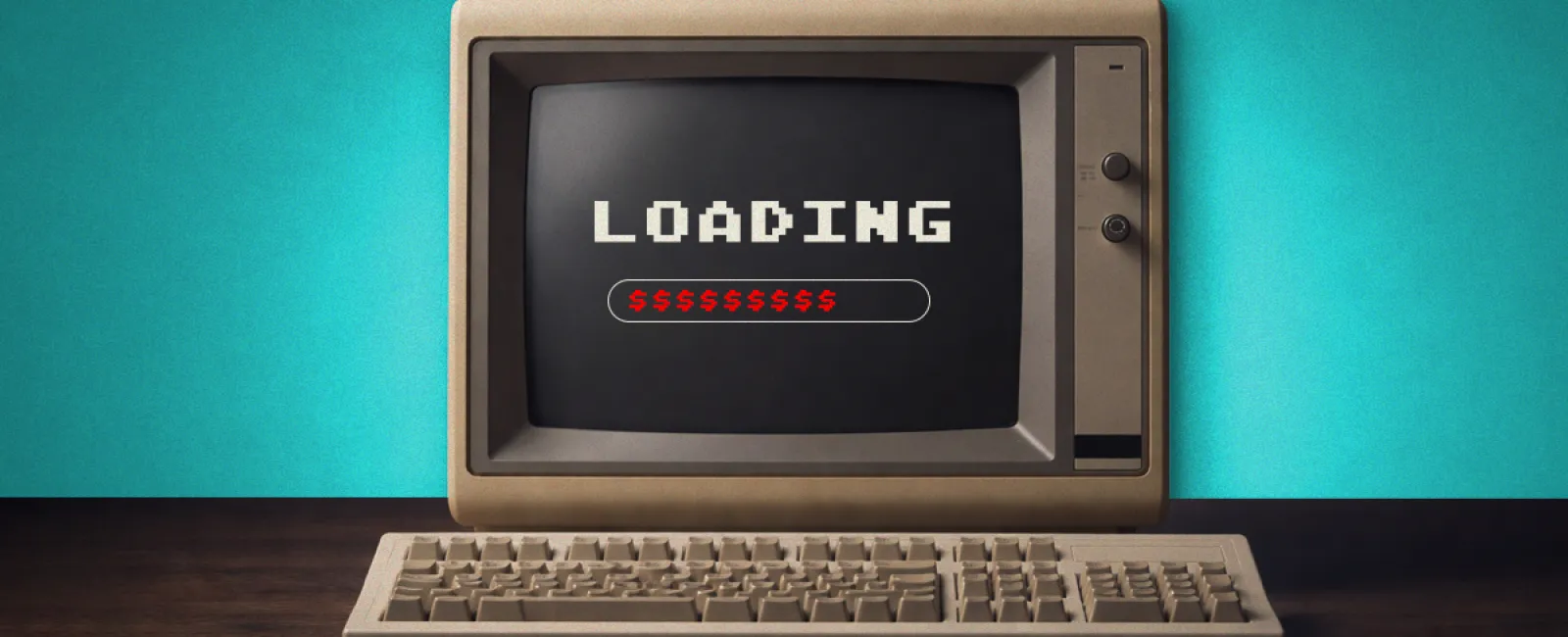
Outdated technology is easy to ignore. It may still work, but it slows your team down, creates friction, and quietly drains budget over time.
Maybe it starts with a delayed email, a frozen screen when you hit save, or a system that takes forever to load. The annoyance feels minor in the moment, so you push through it and keep going.
But those "small" issues rarely stay small. Month after month, they add up to real costs that affect productivity, energy usage, and day-to-day operations.
Old technology often costs more than replacing it
Keeping older systems can seem like the smart, budget-friendly move. If equipment still turns on, it's tempting to leave it alone.
The hidden problem is that aging technology creates expenses that are easy to miss at first.
Older equipment typically uses more electricity, runs hotter, and puts more strain on the rest of your environment. During peak seasons, that inefficiency can become even more expensive. Newer systems are designed to perform better with less energy, which helps reduce operating costs over time.
There's also the time loss. Tasks that once took seconds now take minutes. Files open slowly, systems lag, and the workday gets stretched by repeated delays. Your team may still be moving, but they're moving slower than they should.
Then come the interruptions. Freezes, disconnects, restarts, and workarounds become part of the routine. Each one may seem brief, but every interruption breaks concentration and pulls people away from meaningful work.
When you factor in higher utility bills, lost time, and repeated disruptions, the cost of keeping outdated systems starts to outweigh the cost of upgrading.
What happens when technology starts working for you again
Once the problem systems are addressed and replaced where needed, the difference is immediate and noticeable.
- Systems start faster and work more reliably
- Temporary fixes and constant restarts become rare
- Your team spends more time producing and less time waiting
- Energy consumption drops with more efficient equipment
- Waste tied to downtime and inefficiency begins to decrease
The result is a smoother workday, a more focused team, and fewer dollars spent keeping aging technology barely operational.
Is it time to upgrade?
If your systems are slow, issues keep coming back, or your team has built a habit of working around the technology, you're already paying for the problem.
The real question is how long you want to keep absorbing those costs.
This doesn't resolve itself. It continues to chip away at your budget through wasted time, higher bills, and constant interruptions.
That's where we help.
As your IT partner, we do more than fix what's broken. We help you stop overspending on technology that no longer supports your business goals.
- We identify which systems are costing you too much
- We help you decide what should be replaced now and what can wait
- We recommend efficient, right-sized upgrades that make sense
- We manage the transition so your team stays productive
- We support your systems long term so you avoid falling back into the same cycle
Instead of guessing, you'll have a clear plan and technology that actually supports how your business works.
Click here or give us a call at (925) 766-4005 to schedule your free 15-Minute Discovery Call.
We'll help you pinpoint what's draining your budget and what's worth repairing or replacing now.
If you know someone dealing with slow systems and recurring tech problems, send this their way. They may be paying for the same inefficiencies too.